|
|
|

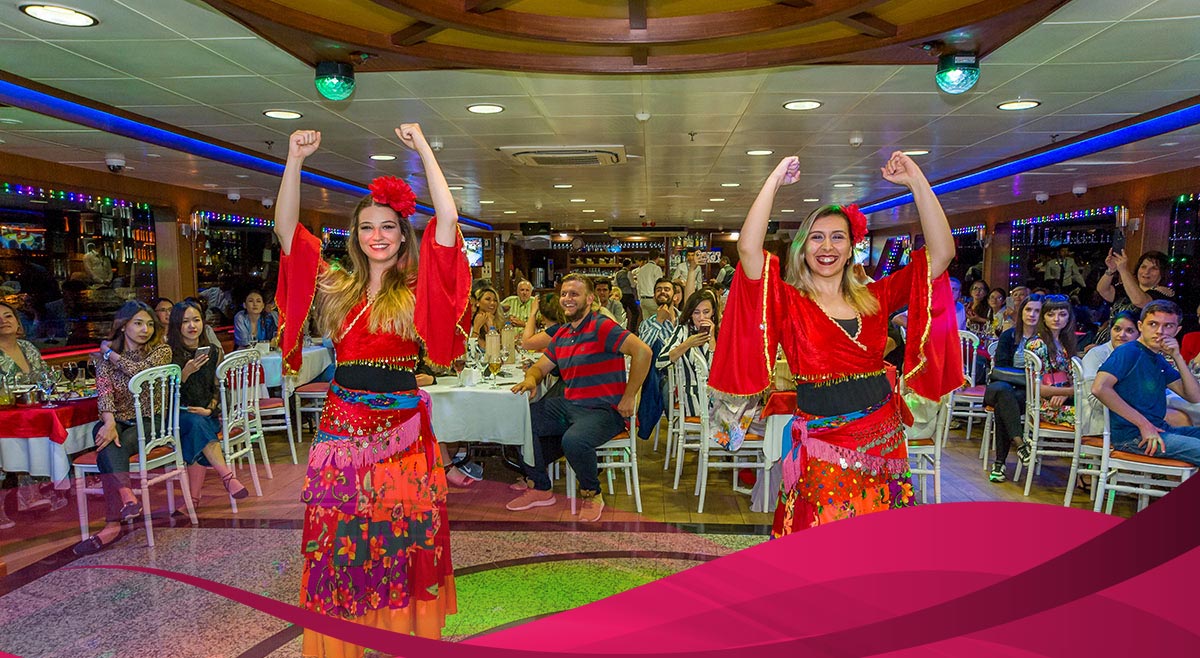
Dances of Colours is based on thousand years of Hittite, Persian, Greek, and central
Asiatic Turk mythology and culture. The dance is a spectecular
original project featuring hundreds of folk dance figures, drums and folk
music collected from every region of Anatolia capturing the emotions of the
people of the Mediterranean.
Our motive is
to allow people to experience the rich culture of Turkey and
let them discover details of Anatolian daily life. Dances of Colours
is the only dance show performed by a prefessional dance group in a
theatre in Istanbul.
|
|
|
|
|
|
Spectacular Dances,
Amazing Costumes, Great Music
Dances from 10
different regions of Turkey
Whirling Dervishes,
Aydın Zeybek, Kırklareli, Azeri, Burdur, Adıyaman,
Silifke, Lover and The Beloved (Ashuk & Mashuk),
Artvin, Belly Dance of Istanbul
Central location
Air conditioned
Modern Theater
2 Minute walking
Distance to Grand Bazaar
Every TUESDAY, THURSDAY and SATURDAY at 19:30
At FKM Culture Center
(MAP)
Pictures of Dances
|
AYDIN
This dance has similarities with Greek dances going back to
the Amazones. These are mostly individual dances, holding hands and embracing
movements are not part of these dances. The eagle is a popular symbol in
these dances. In old Anatolian civilisations, especially in Greek culture, the
eagle represented the sun, light and sky. It was considered sacred and
identified with Zeus because of its longevity, its mountain homes, high flight
and the ability to fall like a thunderbolt on its prey. Colourfully dressed
male dancers, called “efe” symbolise this courage, and heroism.
|
|
WHIRLING DERVISHES
The
mystical dance of the Whirling Dervishes is called Sema. The Dervishes follow
the teachings of Mevlana C. Rumi, a XIII. Century Islamic mystic. Sema is a
praying and reflects elements of Turkish history, beliefs and culture. Sema
shows a mystical journey of spiritual ascent through mind and love to
“Perfect”. Deserting his ego, the dancer turns towards truth and into
“Perfect”. He then returns from this spiritual journey as a mature person,
filled with love and to be of service to all creatures and to the whole of
creation, without discrimination of belief, race, class or nationality.
|
|
KIRKLARELI
These dances are from the
European part of Turkey which is close to the Balkan states. They show many
similarities to other dances from the Balkans. Karsilama Dances, as they are
known, show in interplay between young men and women, but on occasions the
dances occur with the men and women in separate rows. The dances are
accompanied by clarinet, zurna and drum.
|
|
|
|
|
|
AZERBAIJANI
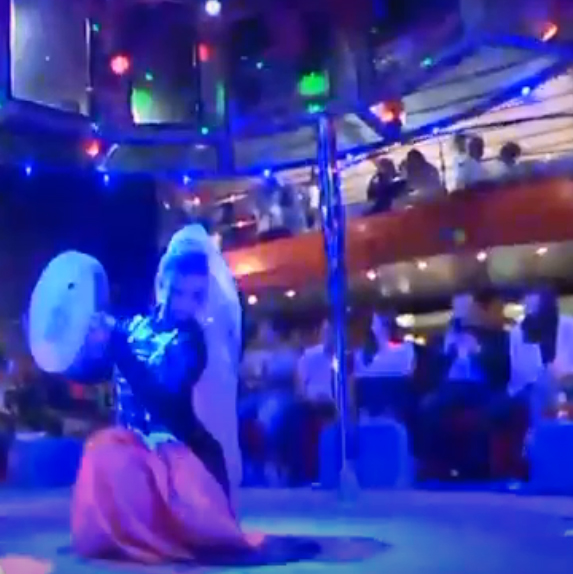
A solo dance with tambourine
from the eastern part of Turkey expressing love through the relationship between
the dancer and tambourine. The music is a tradational Azerbaijani wedding
melody and the costum is based on a 19th century watercolour. |
|
BURDUR
Burdur is a small rural
province in the Mediterranean region. This one variation of a Zeybek folk dance
performed in a circle without holding hands. Some parts of the dance show the
rural theme with goat movements being commonly depicted.
|
|
ADIYAMAN
Adiyaman is located between
the upper and middle Euphrates of eastern Turkey. The dance symbolises the
solidarity in daily life between the men and women in the cultivation of the
land. The costumes reflect the natural colours of the region, the rows of
dancers symbolising the mountain ranges that provide a backdrop to the
landscape.
|
|
LOVER & BELOVED
Coming from Silifke on the
Mediterranean shore of Turkey this theatrical dance of “Ashuk-Mashuk” shows the
comical side of the relationship between men and women.
|
|
BLACK SEA
The Black Sea dance symbolises
the wild waves of the Black Sea and the flashing and fluttering of the prized
“hamsi” (anchovy) fish after it has been caught by fishermen. |
|
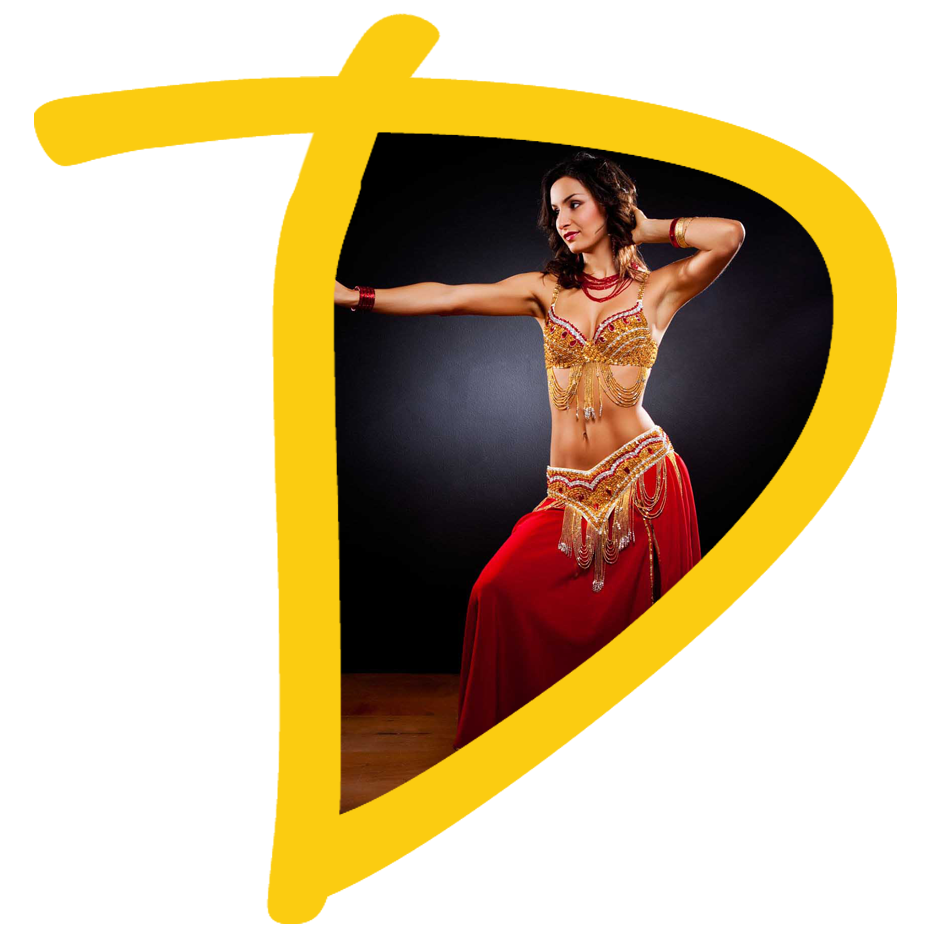
BELLY DANCE OF ISTANBUL
The Ciftetelli is the Turkish form of the Arabian belly dance
which was performed in the Ottoman palaces.
This popular Harem Dance is frequently performed at public celebrations such as
festivalş and weddings. |
|
ARTVIN
Coming the northeastern part
of Turkey on the Coruh River near the Georgian border, this dance shows the
masculine and
feminine sides of life and nature. The men’s dances show
kind but firm and strong gestures, while the women’s dance shows courtesy and
skill.
|
|
|
|
|